
Every three minutes in American schools, a hidden epidemic is uncovered one student has been discovered to be vaping. The public health experts call the use of vaping by teens as a major crisis. According to CDC that is more than 40% of high school students and 80% of middle schoolers who have tried e-cigarettes. Nearly all of these devices (99 percent) have nicotine in them, an addictive chemical that alters the functioning of the brain and is often utilized as a way to get into smoking cigarettes. Teachers, parents, and administrators are under increasing pressure to be proactive. Vape detectors are a sophisticated device that is now an essential piece of equipment for campuses. There are several leaders in the field, Triton and 3D Sense are two that stand out as vape detectors that schools can use which do more than just sounding an alarm.
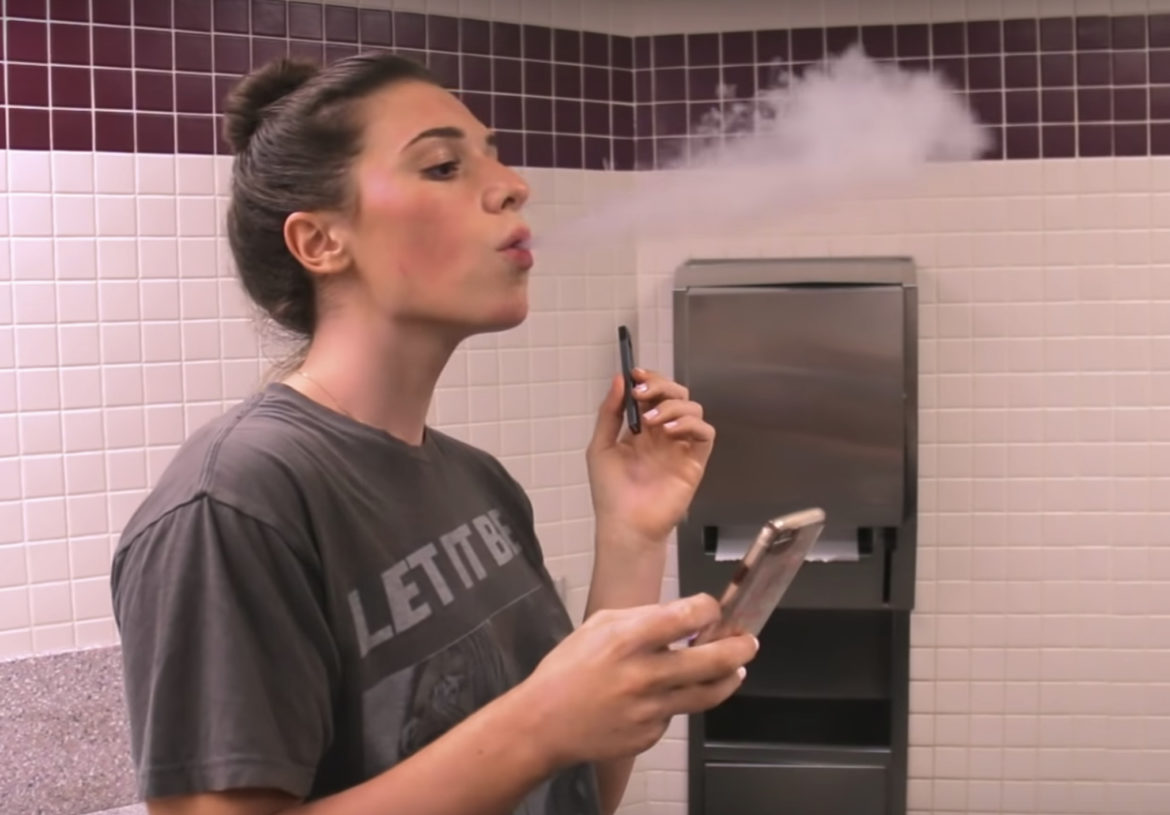
How Vape Detectors Perform: Accuracy without Intrusion
A modern vape smoke detector like the Triton ULTRA Smart Safety Sensor doesn’t rely on cameras or audio recordings ensuring 100% privacy compliance while still delivering actionable intelligence. Instead, it makes use of sophisticated sensors for particulate matter to study air in real time. The device alerts staff via email or text whenever vape aerosols and masking agents such as strong perfumes are detected. False positives are minimal, giving administrators the confidence that each alert requires immediate attention.
One unit covers a complete room bathroom, locker room, or hallway making deployment affordable. Triton customers typically report that vaping levels drop within five weeks. The reason? Data-driven deterrence. Triton Cloud Dashboard gives an “hotspot” of where and when vaping takes place most frequently. Principals can then send security guards or hall monitors to the areas they’re needed the most.
Beyond Detection: Visualization of Occupancy and Loitering Control
Triton differs from ordinary vape detectors thanks to its patent-pending technology for visualising occupancy. The ULTRA sensor doesn’t require images or sounds to record dwell time or count of people in sensitive areas. Administrators will see heat maps that are color coded which show the time when bathrooms transform into social hubs prime locations for smoking and extended close contact that causes respiratory diseases.
Stanford Medicine’s research underscores the importance of this topic Students who use vapes have a five-fold increased risk of contracting COVID-19. Vape detectors can improve the school’s air quality by reducing congregation. This decreases the risk of transmission of airborne pathogens. Post-pandemic, this dual effect has pushed these devices from a mere option to essential.
Making Data into Discipline, and Dialogue
The numbers tell a fascinating story. Triton’s reports module provides quantitative evidence of incident timestamps and places. It also shows patterns in frequency. Schools can present this information to school boards, parents ‘ groups or even to students. If a school’s campus has the reduction of 60% in detections after the introduction of detectors doubts are lowered. Parents are able to see the commitment and students can understand the implications.
Teachers can make an even greater impression by introducing vape detectors at the beginning of the day. For example, the 3D Sense model is marketed as a deterrent. “Let students know that the air is watching them,” guidance materials advise. The social cost of raising the alarm can be more significant than any presentation.
A Multi-Front Strategy Schools Can’t Ignore
Vape detectors can’t stop vaping on their own, but they’re an integral part of a broader solution.
Monitoring – Real-time alerts detect events as they happen.
Education – Research-based reports are fueling anti-vaping curriculums.
Deterrence- Signage with established consequences can alter behavior.
Discipline – Hotspot data justifies targeted enforcement.
Support – Schools integrate detections with support for students struggling to stop smoking.
The CDC stresses that reversing the trend is a matter of “buy-in from educators, parents as well as the general public.” Vape devices provide an important missing element: immediate, objective feedback that transforms positive intentions into tangible results.
Deployment Made Simple
Registering devices takes minutes on the Triton Cloud Dashboard. Administrators can add contacts, customize notifications, and set alarm thresholds. A single demo reveals how simple the interface is. You can schedule a demo to view live hotspot maps, as well as historical graphs in action.
Conclusion
Every puff you don’t take is a risk to an addiction that lasts for a lifetime. Bathroom gatherings that are not reported can be dangerous to your health as well for safety. Vape detectors for schools such as Triton and 3D Sense offer more than surveillance they deliver information, security, and evidence of progress. Campuses who install them are not just reacting to the vaping epidemic and are now gaining control.
These tools can turn vague issues into concrete victories. They come with a sensor in each room, occupancy insights which are safe for privacy, as well as rapid alert systems. In an era when 40 percent of high school students have tried out the technology with middle-schoolers, and their numbers are growing daily, waiting no longer seems sensible. Be sure that you’re the first to learn what your school’s air is proclaiming.